Diesel Oxidation Catalyst (DOC)
Additional Information
A diesel oxidation catalyst (DOC) is an emissions-control device that uses a chemical reaction to convert certain pollutants in diesel exhaust into less harmful compounds. It is typically the first aftertreatment component the exhaust passes through.
The DOC consists of a flow-through ceramic or metal honeycomb coated with precious metals, usually platinum and palladium. As hot exhaust passes over the catalyst, oxygen in the exhaust drives oxidation reactions that convert carbon monoxide (CO) into carbon dioxide (CO₂) and unburned hydrocarbons into CO₂ and water. It also oxidizes some of the soluble organic fraction of particulate matter, modestly reducing total particulate emissions.
The DOC also supports the other components in the system. It converts a portion of nitric oxide (NO) into nitrogen dioxide (NO₂), which helps the DPF burn off soot at lower temperatures and improves the efficiency of the SCR system. During active DPF regeneration, extra fuel is oxidized across the DOC, releasing heat that raises exhaust temperature to the level needed to burn off accumulated soot.
A DOC generally begins working effectively once exhaust temperatures reach roughly 200°C, so it is less effective during cold starts. Its main limitations are its sensitivity to sulfur in fuel, which can poison the catalyst, and the fact that it does not reduce NOx on its own, which is why it is paired with DPF and SCR systems in modern diesel vehicles.
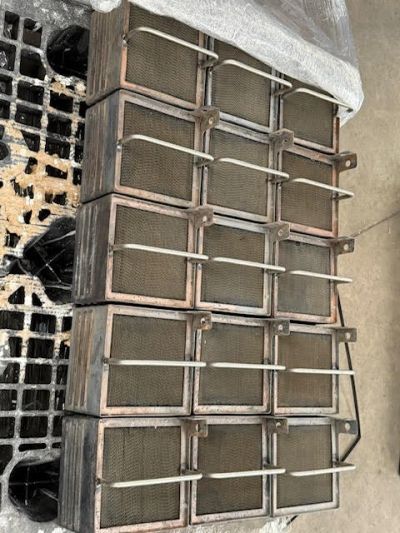
What We Provide
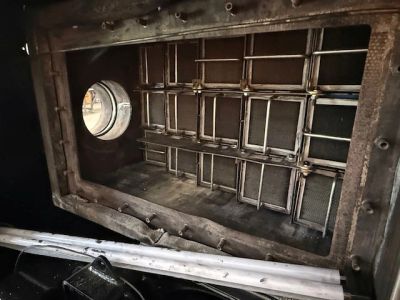
Custom Sizes
We offer the size DOC to meet your needs.
Custom Housing
Have you found the OEM placed the handle in way that makes installation tougher? We can build the housing you need the way you want it.
Custom Hardware
Custom hardware is available to meet your onsite needs.
Replacement DOC's to Match OEM
Give the size and specs of your original parts, and we'll provide a quote to replace them.
After Sales Service
We offer cleaning and regeneration, to learn more click here
Soot Control
The Soot Box
Control your particulate matter. We all like to breath a little easier, so let us help you not only remove toxic chemicals via an oxidation catalyst, but the small black carbon that can affect your site as well. Learn more here.
